
Exploring the psychology behind casino gambling What drives the thrill
The Allure of Risk and Reward
Casino gambling is fundamentally driven by the psychological interplay of risk and reward. Players often experience an adrenaline rush that comes from the uncertainty of outcomes, which can create a powerful thrill. This excitement is amplified by the potential for significant financial gain, making it even more compelling. With the right incentives, such as a sports betting sign up bonus, the idea of winning, combined with the anticipation of risk, forms a potent cocktail that draws many into the gaming world.
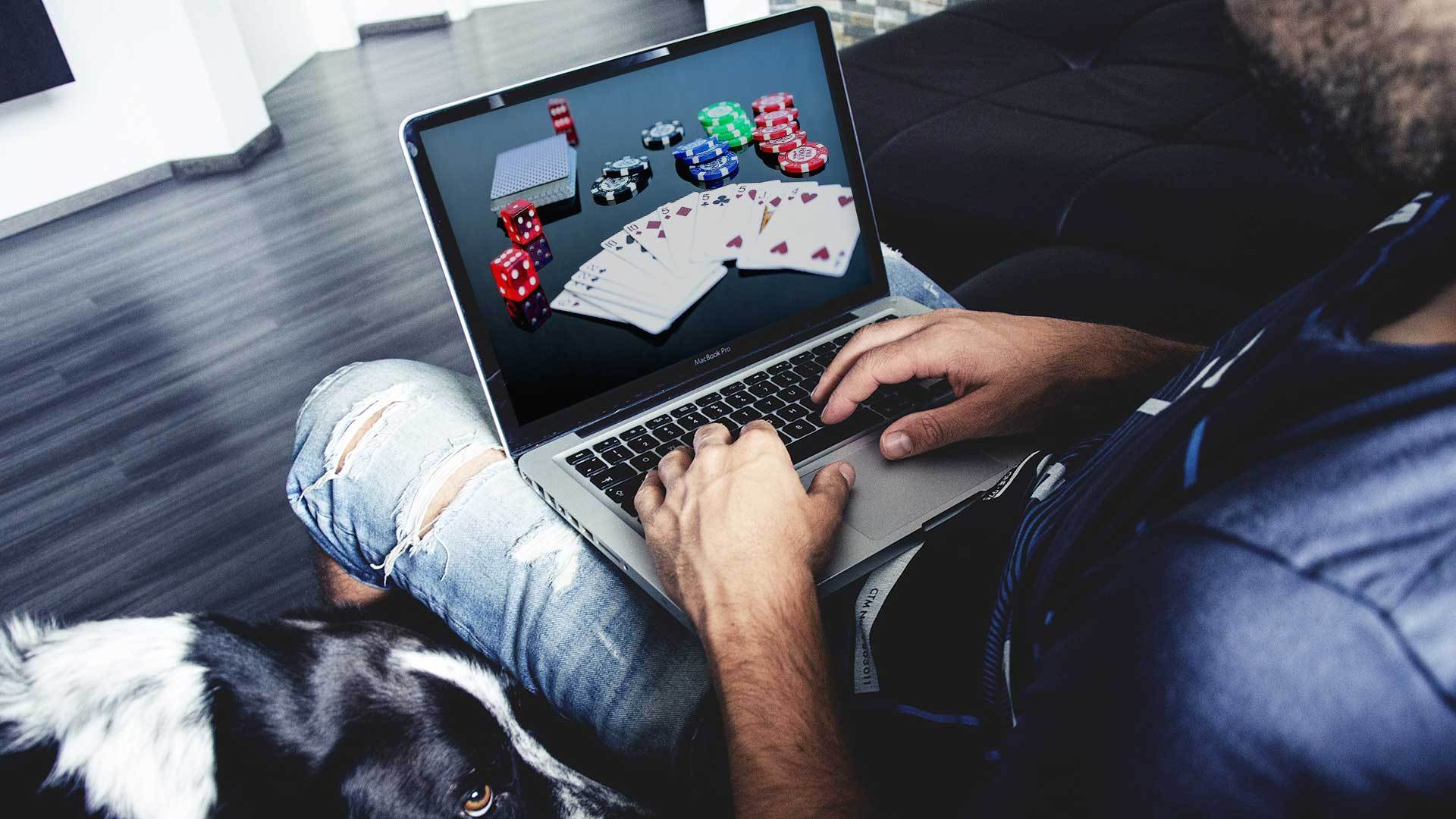
Moreover, the brain’s reward system plays a crucial role in this dynamic. When individuals engage in gambling, their brains release dopamine, a neurotransmitter associated with pleasure and reward. This chemical reaction reinforces the behavior, compelling players to chase the euphoria of winning, even when losses occur. The cycle of winning and losing creates a rollercoaster of emotions that keeps players coming back for more.
The Role of Environment and Social Factors
Casinos are meticulously designed environments that enhance the gambling experience. The lighting, sounds, and overall aesthetic contribute to an immersive atmosphere that can be both exhilarating and overwhelming. From the ringing of slot machines to the vibrant colors of the game tables, every detail is crafted to keep players engaged. This sensory overload can heighten the thrill of gambling, leading individuals to lose track of time and money spent.
Additionally, the social aspect of gambling cannot be overlooked. Many people visit casinos not just to play, but to enjoy the company of friends or meet new people. The social interaction adds another layer of enjoyment to gambling, providing a sense of belonging and community. This social reinforcement can be a significant motivator, as shared victories and losses create shared experiences that deepen relationships.
Cognitive Biases and Illusions of Control
Cognitive biases significantly influence gambling behavior, often leading individuals to make irrational decisions. One common bias is the illusion of control, where players believe they can influence the outcome of a game through their actions. This belief can enhance the thrill of gambling, as individuals feel a sense of agency in their decisions, even in random games of chance. The more they engage in these behaviors, the stronger this illusion becomes, perpetuating their involvement.
Another common cognitive trap is the gambler’s fallacy, where individuals believe that past outcomes will influence future ones. For example, a player may assume that a losing streak must be followed by a win, leading them to continue gambling despite accumulating losses. These biases create a cycle of hope and despair that keeps players invested in the gambling experience, feeding the psychological thrill associated with it.
The Consequences of Gambling Addiction
The thrill of gambling can lead to addiction, a serious condition that affects many individuals. Those who develop a gambling addiction may prioritize gambling over other aspects of their lives, leading to financial problems, strained relationships, and emotional distress. The initial excitement can morph into a compulsive need to gamble, where individuals chase losses in hopes of regaining control and satisfaction.
Recognizing the signs of gambling addiction is crucial, as it can help individuals seek help before the situation escalates. Many treatment options, including counseling and support groups, are available to assist those struggling with this issue. Understanding the psychological motivations behind gambling can also empower individuals to make healthier choices and foster a more balanced relationship with gaming.

Exploring Our Website for Insights
Our website serves as a valuable resource for those seeking to understand the dynamics of gambling and its psychological implications. We aim to provide insightful articles and information that enable users to navigate their experiences thoughtfully and safely. By exploring our accessible content, visitors can gain a better understanding of the factors that drive gambling behavior and the importance of responsible gaming.
As you delve into our resources, we encourage an open dialogue about the complexities of gambling. We believe that informed choices can lead to healthier behaviors, enhancing the overall enjoyment of gaming while minimizing potential risks. Join us in exploring these themes to foster a more rewarding and safe gambling experience.
